
Opioid Addiction Treatment in Worcester
Opioid addiction is a serious condition that disrupts the brain’s ability to manage pain and pleasure, leading to dependence after just a short time. It can cause significant physical, mental, and emotional damage, affecting all areas of life.
But addiction to opioids doesn’t have to control your future. Learn more about opioid addiction, treatment options at Blue Hills Recovery, and how to start your journey toward recovery today.
What Is Opioid Addiction?
Addiction to opioids is a chronic condition where someone is unable to stop using opioids, even when it negatively impacts their health and well-being.
This addiction often starts with the use of prescription opioids for pain relief or recreational use of illegal opioids like heroin. Over time, the brain adapts to the drug’s effects, leading to increased tolerance and physical dependence.
You may be aware that opioid drug use is a major public health concern. That’s because anyone can be affected by opioid addiction, regardless of age, background, or social status.
Left untreated, it can disrupt relationships, work, and mental health, making recovery extremely difficult without professional intervention.
However, there is hope for people facing opioid use disorders. With dedication to an effective rehab program, like those we offer at Blue Hills Recovery Center, you can quit use of opioids and start your recovery.
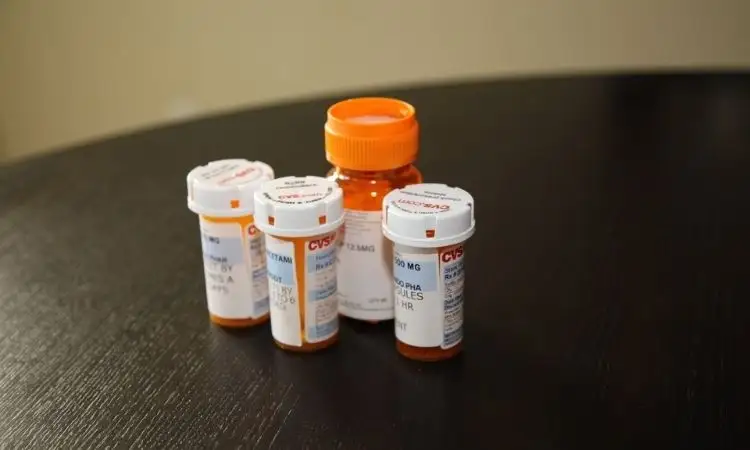
Why Do People Form Opioid Addictions?
Opioid addiction doesn’t happen overnight, and it’s certainly not a choice. Opioid addiction often begins when you take opioids for pain relief or recreational use, and experience an intense sense of euphoria. This initial pleasure can lead some people to misuse opioids, taking higher doses or using them more frequently to recreate the high. Over time, opioid use changes your brain’s chemistry, creating a need for larger amounts of the drug to feel the same effects. Addiction develops when you eventually become unable to control use, despite the negative consequences on your health and relationships. Anyone can develop an opioid addiction, but the risk increases with misuse and prolonged use.
What Causes Opioid Addiction?
When you take opioids, they attach to specific receptors in your brain and nervous system, causing a release of endorphins. These chemicals reduce your perception of pain and produce a sense of pleasure or euphoria.
This flood of endorphins can temporarily make you feel very good, but as your brain adjusts, it begins to rely on the drug to feel normal. Over time, your brain stops producing as many natural endorphins, which leads to tolerance. This means you need to take more opioids to feel the same effects.
As you continue using opioids, your brain’s reward system changes, making it difficult to experience pleasure without the drug. Addiction develops when your brain becomes dependent on opioids, driving a compulsive need to use them.
You may find yourself taking opioids not only to relieve pain but to avoid withdrawal symptoms like anxiety, nausea, and muscle pain. This cycle of needing more of the drug to feel good or avoid discomfort is what makes opioid addiction so difficult to break.
Risk Factors for Opioid Addiction
While anyone can develop an opioid addiction, certain factors increase the likelihood. Several factors contribute to a higher risk of opioid addiction, including:
- Personal or family history of substance abuse:Those with a history of drug or alcohol misuse are more vulnerable to opioid addiction.
- Mental health disorders: Conditions like depression, anxiety, or PTSD can make a person more susceptible to opioid misuse.
- Environmental influences: Growing up around substance use disorder, trauma, or economic hardship increases the risk.
- Chronic pain: Long-term use of prescription opioids for pain management can lead to addiction, especially if opioids are used for extended periods.
- Younger age: Adolescents and young adults are at higher risk due to the side effects of opioids on the developing brain.
People who misuse opioids — by taking higher doses or using them in ways not prescribed, such as snorting or injecting — face a greater risk of addiction and drug overdose.
Women may also face unique risks, as they are more likely to be prescribed opioids for chronic pain and often receive higher doses or longer treatments than men.
Who is Affected by Opioid Addiction?
Anyone can develop an opioid addiction, regardless of their age or background. However, certain demographics are more affected than others.
Opioid addiction statistics reveal these trends:
- Age: Adults aged 25-54 have seen steady increases in opioid overdose deaths. Black adults aged 45-54 have been particularly impacted, with deaths nearly doubling.
- Race: Black communities have seen opioid overdose rates four to six times higher than those of White ones, especially with the rise of synthetic opioids like fentanyl.
- Gender: Women are more likely to be prescribed opioids for chronic pain, often at higher doses and for longer periods, increasing their risk of addiction.
Misuse likelihood: Younger adults (18-25) are more likely to misuse prescription opioids, leading to higher addiction rates.
Signs of Opioid Addiction
Opioid addiction often starts subtly but progresses over time, with key physical and behavioral changes emerging.
Physical signs of an opioid addiction look like:
- Small pupils
- Drowsiness or nodding off
- Slow breathing or trouble staying awake
- Weight changes (loss or gain)
- Flu-like symptoms (nausea, vomiting, sweating)
- Wearing long sleeves to hide arms
Behavioral signs of an opioid addiction include:
- Sudden changes in attitude, mood, or personality
- Withdrawing from family members, friends, and social activities
- Declining performance at work or school
- Secretive behavior, isolation, or a tendency to steal
As opioid addiction progresses, more severe and visible signs may appear. These signs often indicate that the addiction has reached a critical stage and may involve drug misuse beyond prescription opioids.
Advanced warning signs include:
- Missing medications or finding burnt spoons
- Presence of syringes or small bags with powder residue
- Missing shoelaces or belts used to tie off injection sites
If you or a loved one is displaying any of these signs, it’s not too late to seek help. No matter how established the addiction is, recovery is possible with the right support.
Types of Opioid Addiction
Opioid addiction can be broadly divided into two categories: addiction to prescription opioids and addiction to non-prescription (illicit) opioids. Both forms of addiction carry serious risks, including overdose and long-term health issues.
Prescription Opioid Addiction
Prescription opioids, such as fentanyl, morphine, and oxycodone, are commonly prescribed to treat moderate to severe pain. These drugs can be highly addictive.
Fentanyl, for example, is up to 100 times more potent than morphine and is often prescribed to patients with chronic pain who have developed a tolerance to other opioids.
Oxycodone, commonly prescribed as OxyContin, is another opioid frequently misused for its euphoric effects. Misuse often occurs when the tablets are crushed, snorted, or injected to bypass the time-release formula.
This type of opioid addiction affects people of all ages, and the misuse of prescription opioids is a leading driver of opioid addiction in the U.S.
Non-Prescription Opioid Addiction
Non-prescription opioids, like heroin and illegally manufactured fentanyl, are often obtained without a prescription.
Heroin, derived from morphine, is used solely as a street drug, while fentanyl, though also prescribed, is increasingly produced illegally. These synthetic opioids are responsible for the majority of recent overdose deaths in the U.S.
The illicit nature of these drugs, particularly when mixed with other substances, makes them highly dangerous. Fentanyl, often added to counterfeit pills, is consumed unknowingly and has led to a surge in overdose deaths in recent years.
What Happens When Opioid Addiction is Left Untreated?
When opioid addiction is left untreated, the brain stays wired for dependence. This makes it increasingly difficult to stop, and harder to feel pleasure without the drug.
Here are some of the long-term effects of heroin abuse:
- Cravings become overwhelming, leading to continued heroin use despite harmful consequences.
- Severe withdrawal symptoms, including sweating, shaking, and intense cravings when not using opioids.
- Weight loss, frequent flu-like symptoms, and poor hygiene, as the body deteriorates.
- Mental and emotional effects, including depression, anxiety, and social isolation.
- Breakdown of relationships with family and friends break down.
- Effects on your lifestyle, such as work or school performance.
- Financial difficulties, as addiction takes priority over everything else.
- Overdose risk and death,especially as addiction goes on.
The longer opioid addiction goes untreated, the higher the risk of overdose and death. Without intervention, addiction can lead to permanent health issues, increased risk of accidents, and a cycle that is extremely hard to break without professional help.
Opioid Addiction Treatment Worcester, Massachusetts
Blue Hills Recovery in Worcester, Massachusetts offers a variety of opioid treatment programs designed to help people who are struggling with opioid addiction. These programs provide comprehensive care to help you detox, recover, and rebuild your life.
Opioid Detox Programs
Detox is the first step in the recovery process. It involves medically supervised withdrawal, which helps manage the physical symptoms of stopping opioid drugs.
Withdrawal can include cravings, sweating, nausea, and more severe symptoms depending on the person. Medical supervision ensures that this process is both safer and more comfortable.
Our opioid detox programs provide 24/7 care to reduce the risk of relapse and set a foundation for further treatment.
Opioid Addiction Rehab Programs
While detox helps your body recover, rehab addresses the emotional and psychological aspects of opioid addiction. At Blue Hills Recovery, rehab programs offer therapies like cognitive behavioral therapy (CBT) to help you change harmful behaviors.
Inpatient rehab provides 24/7 care in a supportive environment, while outpatient rehab offers more flexibility, allowing you to maintain work or personal responsibilities while attending treatment sessions.
Rehab gives you the tools needed to break the cycle of addiction and work toward long-term recovery.
Disclaimer: Blue Hills Recovery does not provide inpatient treatment. Instead, we offer a range of outpatient programs with access to recovery housing to make treatment success more achievable.
Opioid Day Treatment/Evening Treatment
Day and evening treatment programs at Blue Hills offer structured therapy during the day or evening, allowing you to receive treatment while continuing with daily responsibilities like work or school.
These programs provide individual therapy, group counseling, and relapse prevention education. Day or evening programs are a good option for those who don’t need or want full-time care but still want consistent professional support.
Opioid Dual Diagnosis Care
Many people struggling with opioid addiction also face underlying mental health issues like depression, anxiety, or PTSD. Addressing both addiction and mental health simultaneously is critical for long-term recovery.
Blue Hills Recovery provides integrated dual diagnosis treatment, including therapy, psychiatric evaluations, and medication management, to help stabilize mental health while working through addiction.
This combined approach strengthens your chances of healing emotionally and staying sober.
Overcome Opioid Addiction at Blue Hills Recovery
If you or someone you love is battling opioid addiction, you don’t have to face it alone. At Blue Hills Recovery, we understand how difficult this journey can be, and we’re here to guide you every step of the way.
Our compassionate team of health care providers offers care that addresses both the physical pain and emotional toll of addiction. With personalized treatment plans, expert support, and a caring environment, Blue Hills Recovery offers you the chance to heal and rebuild your life.
We believe that recovery is possible for everyone, and with the right help, you can overcome your use of opioids and find hope again.
Reach out to Blue Hills Recovery today to learn more about our opioid addiction treatment programs and take the first step toward a healthier, brighter future.
Opioid Addiction Treatment in Worcester FAQs
How is opioid addiction treated?
Opioid addiction is treated through a combination of medication-assisted treatment (MAT), behavioral therapy, and counseling.
Medications like methadone, buprenorphine, and naltrexone help manage withdrawal symptoms, while therapy addresses the psychological aspects of addiction.
What does opioid addiction look like?
Opioid medication addiction involves uncontrollable cravings, continued use despite negative consequences, and withdrawal symptoms like sweating, anxiety, and nausea.
People may isolate themselves, show mood swings, or engage in risky behaviors, often to maintain access to opioids.
Can you cure an opioid addiction?
While there is no permanent cure for opioid addiction, it can be effectively managed through long-term treatment. Medications, therapy, and support can help people achieve recovery and lead healthy, fulfilling lives.
Which prescription opioids lead to addiction?
Common prescription pain relievers that can lead to addiction include oxycodone, hydrocodone, fentanyl, morphine, and codeine. These medications are prescribed for pain relief but carry a high risk of misuse and addiction if not taken as directed.
How can you help someone with an opioid addiction?
Encourage them to seek professional help. Offer emotional support, avoid judgment, and help connect them with resources like treatment centers or support groups.
Sources
- American Society of Addiction Medicine. “Opioid Addiction 2016 Facts & Figures.” Retrieved from: https://www.asam.org/docs/default-source/advocacy/opioid-addiction-disease-facts-figures.pdf. Accessed August 5, 2025.
- Centers for Disease Control and Prevention. “Racial/Ethnic and Age Group Differences in Opioid and Synthetic Opioid–Involved Overdose Deaths Among Adults Aged ≥18 Years in Metropolitan Areas — United States, 2015–2017.” Retrieved from: https://www.cdc.gov/mmwr/volumes/68/wr/mm6843a3.htm. Accessed August 5, 2025.
- Homeland Security Investigations. “Combating Illicit Opioids.” Retrieved from: https://www.ice.gov/hsi/news/operations-initiatives/combating-illicit-opioids. Accessed August 5, 2025.
- Johns Hopkins Medicine. “Opioid Use Disorder.” Retrieved from: https://www.hopkinsmedicine.org/health/conditions-and-diseases/opioid-use-disorder. Accessed August 5, 2025.
- Mayo Clinic. “How Opioid Use Disorder Occurs.” Retrieved from: https://www.mayoclinic.org/diseases-conditions/prescription-drug-abuse/in-depth/how-opioid-addiction-occurs/art-20360372. Accessed August 5, 2025.
- National Drug Intelligence Center. “OxyContin Fast Facts.” Retrieved from: https://www.justice.gov/archive/ndic/pubs6/6025/6025p.pdf. Accessed August 5, 2025.
- National Institute on Drug Abuse. “Fentanyl Drug Facts.” Retrieved from: https://nida.nih.gov/publications/drugfacts/fentanyl. Accessed August 5, 2025.
- National Institute on Drug Abuse. “Opioids.” Retrieved from: https://nida.nih.gov/research-topics/opioids. Accessed August 5, 2025.
- National Institute on Drug Abuse. “What Are Prescription Opioids?” Retrieved from: https://nida.nih.gov/publications/drugfacts/prescription-opioids. Accessed August 5, 2025.
- National Library of Medicine. “Opioid Addiction.” Retrieved from: https://medlineplus.gov/opioidsandopioidusedisorderoud.html#cat_93. Accessed August 5, 2025.
- National Library of Medicine. “Opioids and Opioid Use Disorder (OUD).” Retrieved from: https://medlineplus.gov/opioidsandopioidusedisorderoud.html. Accessed August 5, 2025.
- National Library of Medicine. “The Opioid Epidemic: A Crisis Disproportionately Impacting Black Americans and Urban Communities.” Retrieved from: https://www.ncbi.nlm.nih.gov/pmc/articles/PMC9447354/. Accessed August 5, 2025.
- National Center for Biotechnology Information. “Opioid Use Disorder.” Retrieved from: https://www.ncbi.nlm.nih.gov/books/NBK553166/. Accessed August 5, 2025.
- New York Department of Health. “Opioids: Recognizing the Signs.” Retrieved from: https://www.health.ny.gov/community/opioid_epidemic/signs.htm. Accessed August 5, 2025..
- Substance Abuse and Mental Health Services Administration (SAMHSA). “Treatment and Prevention Strategies to Reduce Opioid Misuse.” Retrieved from: https://www.samhsa.gov/blog/treatment-prevention-strategies-reduce-opioid-misuse. Accessed August 5, 2025.
- ScienceDirect. “Morphine Addiction.” Retrieved from: https://www.sciencedirect.com/topics/neuroscience/morphine-addiction. Accessed August 5, 2025.
- Statista. “Death Rate from Drug Poisonings Involving Opioids in the U.S. from 1999 to 2022, by Race/Ethnicity.” Retrieved from: https://www.statista.com/statistics/1301962/drug-poisoning-opioid-death-rates-by-ethnicity-us/. Accessed August 5, 2025.
- U.S. Department of Labor. “Risk Factors for Opioid Misuse, Addiction, and Overdose.” Retrieved from: https://www.dol.gov/agencies/owcp/opioids/riskfactors. Accessed August 5, 2025.