
Substance Abuse Outpatient Programs
At Blue Hills Recovery, we offer flexible substance abuse outpatient programs that provide compassionate and supportive addiction care.
Whether you need treatment for opioid addiction, alcohol use, or other substance-related issues, the flexibility of our programs help you balance treatment with your daily responsibilities.
With our personalized treatment plans, you can receive various treatment options that help you overcome addiction and maintain long-term recovery.
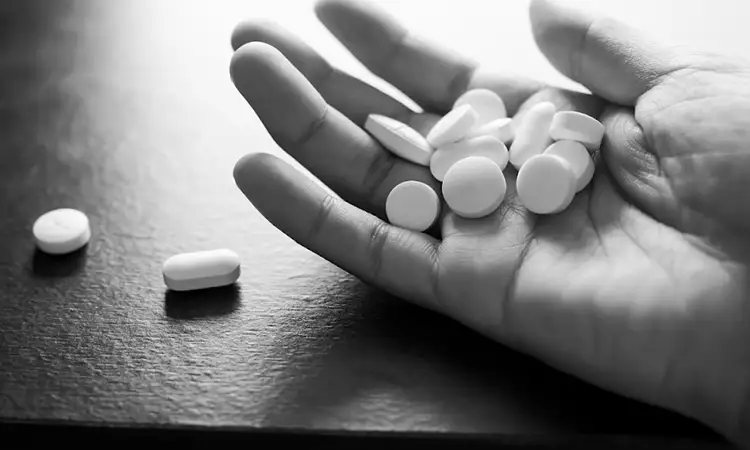

What are Substance Abuse Outpatient Programs?
Outpatient programs are structured treatment programs that help people recover from substance use disorders without requiring them to stay at the treatment facility.
You’ll attend weekly counseling and therapy sessions to address the root causes of addiction, develop coping skills, and learn relapse prevention strategies.
Outpatient treatment at Blue Hills Recovery is a flexible option for those who don’t need 24/7 supervision but still require addiction recovery support.
Who Can Benefit from an Outpatient Program for Recovery in Worcester?
Outpatient drug rehab programs are a good fit for various people struggling with drug abuse. This can include:
- Working professionals: If you need treatment that fits around your job schedule, outpatient care offers flexible hours while still providing structured support.
- Adolescents and students: For younger people and students who need to stay in school while receiving necessary addiction treatment.
- People transitioning from inpatient care: After completing inpatient treatment, you may need the continued support of an outpatient program to maintain progress.
- Family members seeking involvement: Ideal for family members looking to support their loved ones in overcoming addiction and the harms it causes.
Types of Outpatient Programs at Blue Hills Recovery
Outpatient treatment comes in different levels of care, with varying levels of intensity. Which level is right for you will depend on your addiction severity, stage of recovery, and other personal factors.
Day Treatment Programs
Day treatment programs, also called partial hospitalization programs, are suitable for people who need intensive addiction support but not round-the-clock care provided at inpatient programs.
These programs are also ideal for people with severe addictions and offer a step-down support system from inpatient care. Comprehensive medical and therapeutic care are provided during the day while you return home at night or to one of our recovery residences.
Counseling sessions are provided four to six days per week for three or more hours per session, helping you address the underlying cause of drug addiction and apply these strategies to daily life.
Evening Treatment Programs
Evening treatment programs for addiction offer the same treatments as day treatment programs. However, these sessions are available in the evening to support people with daytime obligations, such as parents, students, and employees.
Treatment sessions in evening programs take place a few nights per week for a few hours each evening.
Outpatient Services
Outpatient programs are less intensive, typically involving one to two therapy sessions per week planned around your schedule. These programs are ideal if you have milder addiction issues or have already completed more intensive levels of care.
This treatment lets you put your new recovery skills to work, helping you build trust and accountability with yourself daily.
Treatment Services in Outpatient Rehab Programs
Our outpatient programs at Blue Hills Recovery include several effective therapeutic options. These include:
Detoxification
Detoxification is an essential part of outpatient treatment that helps you remove toxic substances from your body for people with severe drug or alcohol addictions.
Detox is a medically supervised treatment and helps you safely manage withdrawal symptoms before you start intensive addiction treatment.
Individual Therapy
In individual therapy, you’ll meet one-on-one with a therapist to discuss your addiction, identify triggers, and develop strategies to manage cravings. This form of therapy is tailored to your personal needs and goals and is a standard in addiction medicine and outpatient programs.
Group Therapy
Group therapy offers the chance to connect with others facing similar challenges. These sessions build a sense of community, offering support and shared experiences, which are proven to help during your recovery process.
Family Counseling
Addiction affects everyone, including your family. Family counseling sessions work to improve communication within the family dynamic, rebuild trust, and teach family members how to support your recovery.
Your loved ones can help you set healthy boundaries, better understand your addiction, and support your sobriety long-term.
Cognitive Behavioral Therapy (CBT)
Cognitive behavioral therapy is a highly effective, evidence-based therapy that helps you change negative thought patterns and behaviors. CBT helps you identify and manage thoughts, actions, and triggers that lead to substance abuse and replace them with healthier behaviors.
Relapse Prevention
One of the primary goals of outpatient treatment is teaching you how to prevent relapse. By identifying triggers, managing cravings, and developing coping strategies, outpatient programs help build the foundation for long-term sobriety.
At Blue Hills Recovery, we work with you to develop a personalized relapse prevention plan that fits your unique situation.
Long-Term Support in Outpatient Treatment
Recovery doesn’t end when formal treatment does. Blue Hills Recovery provides long-term case management to ensure your sobriety lasts.
Support Groups
Attending support groups like Alcoholics Anonymous (AA) or Narcotics Anonymous (NA) can provide ongoing peer support. These groups give you a safe space to share experiences, receive encouragement, and be accountable to your healing and recovery journey.
Follow-Up Therapy Sessions
After completing your treatment, follow-up therapy sessions help you stay on track and continue to use the tools you’ve learned in treatment. They also check for any signs of distress of health conditions that could possibly lead to relapse.
Partnered Supportive Housing
For those who need additional structure, partnered supportive housing options offer a drug-free living environment where you can focus on staying sober and building a new, healthy routine.
Located near our outpatient treatment center, we offer sober living residencies that help you prioritize a drug and alcohol-free lifestyle while receiving treatment and tending to your daily life.
How to Choose the Right Outpatient Facility
When selecting an outpatient program, you want to make sure the treatment center is a good fit for your needs. Here’s what sets apart the Blue Hills Recovery outpatient program:
- Accreditation: Blue Hills Recovery holds accreditation with a third-party organization,the Joint Commission. Accreditation ensures that a facility meets high standards of care needed for your drug abuse treatment.
- Experienced treatment providers: Treatment center staff should be licensed professionals trained in addiction treatment and behavioral health care. All Blue Hills Recovery team members are properly licensed and/or trained before helping patients.
- Customized treatment plans: Blue Hills provides personalized treatment plans based on your specific needs, whether that involves addressing co-occurring mental health disorders or particular substance dependencies.
Outpatient Treatment Costs & Insurance Coverage
Outpatient treatment costs vary based on program length and intensity. Many insurance plans cover some or all of the costs, including Medicaid and employer-sponsored plans.
Be sure to verify your coverage with your insurance provider and explore payment options with your chosen facility.
We accept most major insurance providers and can work with you to make your treatment more affordable.
Get Flexible Outpatient Substance Abuse Treatment at Blue Hills Recovery
At Blue Hills Recovery, we offer flexible and personalized outpatient treatment programs designed to fit your life. Whether you need intensive support through an evening program or are looking for an outpatient program to maintain your progress, we’re here to help you every step of the way.
Our dedicated team will work with you to create a treatment plan tailored to your needs, helping you achieve lasting recovery. Reach out today to learn more about how we can support your journey to sobriety.
Outpatient Program for Recovery in Worcester FAQs
How long do outpatient programs last?
Outpatient programs can vary in length, lasting anywhere from a few weeks to several months or longer. This depends on your treatment needs, goals, and overall progress within your treatment plan.
Is outpatient treatment right for me?
Outpatient treatment is ideal if you have a stable home environment and a supportive network while you receive regular therapy to manage your addiction.
If you have a more severe addiction and unsupportive home environment, 24/7 inpatient rehab may be better suited for your needs.
Sources
- Center for Medicare and Medicaid Services. “Partial Hospitalization Programs.” Retrieved from: https://www.cms.gov/medicare-coverage-database/view/lcd.aspx?LCDId=37633. Accessed on August 5, 2025.
- National Library of Medicine. “Substance Abuse Intensive Outpatient Programs: Assessing the Evidence.” Retrieved from: https://www.ncbi.nlm.nih.gov/pmc/articles/PMC4152944/. Accessed on August 5, 2025.
- National Institute on Drug Addiction. “Treatment and Recovery.” Retrieved from: https://nida.nih.gov/publications/drugs-brains-behavior-science-addiction/treatment-recovery/. Accessed on August 5, 2025.
- Substance Abuse and Mental Health Services Administration. “Mental Health and Substance Use Disorders.” Retrieved from: https://www.samhsa.gov/find-help/disorders. Accessed on August 5, 2025.
- Substance Abuse and Mental Health Services Administration. “Recovery and Recovery Support.” Retrieved from: https://www.samhsa.gov/find-help/recovery. Accessed on August 5, 2025.
- Substance Abuse and Mental Health Services Administration. “Types of Treatment.” Retrieved from: https://www.samhsa.gov/find-support/learn-about-treatment/types-of-treatment. Accessed on August 5, 2025.