
Living with complex PTSD can make everyday life feel exhausting. You may struggle with overwhelming emotions, difficulty trusting others, or feel like you’re constantly on alert.
But healing from trauma is possible with the right support.
At Blue Hills Recovery, we provide compassionate, evidence-based treatment for complex PTSD through our outpatient programs in Worcester.
Our team helps you process trauma, build healthy coping skills, and regain confidence one step at a time.
What Is Complex PTSD?
Complex post-traumatic stress disorder (CPTSD) is a mental health condition that can develop after experiencing repeated or long-term trauma.
Unlike PTSD, which often follows a single traumatic event, complex PTSD is typically linked to ongoing experiences that leave someone feeling trapped or unsafe.
Examples of long-term trauma include:
- Childhood abuse or neglect
- Domestic violence
- Human trafficking
- Ongoing emotional abuse
- Long-term bullying or harassment
- Repeated exposure to traumatic situations
Many people with complex PTSD also experience anxiety, depression, or substance use disorders. Treating these conditions together can support long-term, lasting recovery.
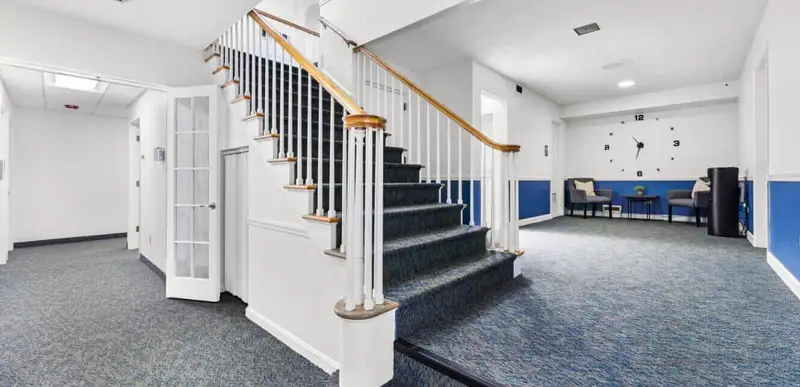
Complex PTSD Treatment at Blue Hills Recovery
Complex PTSD treatment is unique to each person, just as their experiences are unique.
Your recovery begins with a comprehensive assessment so we can recommend the level of care and therapies that best fit your needs.
Our levels of care that best help people with long-term trauma issues include:
Partial Hospitalization Program (PHP)
Our Partial Hospitalization Program (PHP) provides structured, intensive treatment during the day while allowing you to return home or supportive housing each evening.
PHP may be appropriate if complex PTSD symptoms are significantly affecting your daily life.
Through individual therapy, group therapy, psychiatric support, and trauma-focused care, you’ll begin building the skills you need to manage your symptoms and move toward recovery.
Intensive Outpatient Program (IOP)
Our Intensive Outpatient Program (IOP) offers a flexible treatment option for people who need ongoing support while balancing work, school, or family responsibilities.
IOP allows you to continue practicing healthy coping skills, strengthen emotional regulation, and process trauma while gradually returning to everyday routines.
Dual Diagnosis Treatment
Many people living with complex PTSD also struggle with addiction or another mental health condition. This is known as a dual diagnosis.
At Blue Hills Recovery, we treat both conditions together. Addressing the underlying trauma alongside substance use or mental health concerns can create a stronger foundation for long-term recovery.
Signs You May Be Living with Complex PTSD
Complex PTSD affects everyone differently. While symptoms vary from one person to the next, they often impact your emotions, relationships, and daily life.
If you’re facing CPTSD, you may experience:
Emotional Signs
- Flashbacks or distressing memories
- Intense shame, guilt, or low self-worth
- Emotional numbness
- Anxiety or depression
Behavioral & Relational Signs
- Feeling constantly on guard or easily startled
- Difficulty trusting other people
- Trouble managing strong emotions
- Relationship difficulties
Physical Signs
- Sleep problems or nightmares
These symptoms can make work, school, parenting, and maintaining healthy relationships much more difficult. If these challenges have begun affecting your quality of life, treatment may help.
Trauma-Focused Therapies
Your treatment plan is built around your unique experiences and goals.
Depending on your needs, it may include evidence-based therapies such as:
Cognitive Behavioral Therapy (CBT)
CBT helps you recognize unhelpful thought patterns connected to trauma and replace them with healthier ways of thinking and responding.
Eye Movement Desensitization and Reprocessing (EMDR)
EMDR helps many people safely process traumatic memories so they become less overwhelming over time.
Group Therapy
Trauma can feel isolating. Group therapy offers a supportive environment where you can connect with others, practice communication skills, and realize you’re not alone in your recovery.
Medication Management
Medication may be recommended to help manage symptoms such as anxiety, depression, or sleep disturbances. When appropriate, medication is combined with therapy as part of a comprehensive treatment plan.
How Complex PTSD Can Affect Daily Life
Complex PTSD doesn’t only affect your mental health. It can influence nearly every part of your daily routine.
You may avoid situations that remind you of past trauma or withdraw from family and friends. Many people find it difficult to relax because their nervous system stays in a constant state of alertness.
Some people also turn to alcohol or drugs to cope with painful emotions. While substances may provide temporary relief, they often make trauma symptoms worse over time and increase the risk of developing an addiction.
That’s why treating both trauma and substance use together is often the most effective path toward healing.
What to Expect During Complex PTSD Treatment
Starting treatment for complex PTSD can feel overwhelming, but you are never alone during the process.
Your journey begins with a confidential assessment where we learn about your symptoms, personal history, and recovery goals. From there, our team develops a personalized treatment plan designed specifically for you.
Throughout treatment, you’ll participate in individual therapy, group counseling, and other evidence-based services based on your needs. As you make progress, we’ll continue adjusting your care plan to support your long-term recovery.
Before completing treatment, we’ll also help you develop an aftercare plan that may include continued therapy, community support, medication management, or other resources to help you maintain your progress.
Why Choose Blue Hills Recovery for Complex PTSD Treatment?
Healing from complex trauma requires compassionate care from professionals who understand how trauma affects every aspect of your life.
At Blue Hills Recovery, we provide:
- Trauma-informed, evidence-based care
- Individualized treatment plans
- Licensed Partial Hospitalization and Intensive Outpatient Programs
- Dual diagnosis treatment for co-occurring disorders
- Experienced clinicians dedicated to long-term recovery
- A supportive environment where healing can happen at your own pace
Our goal is to help you feel safe, supported, and empowered throughout every stage of recovery.
Begin Healing from Complex PTSD
You don’t have to carry the weight of trauma by yourself. Recovery is possible, and taking the first step can lead to lasting change.
Whether you’ve recently recognized the signs of complex PTSD or have been living with its effects for years, Blue Hills Recovery is here to help. Contact our Worcester team today to learn more about our trauma-informed treatment programs and begin your recovery journey.
FAQs About Complex PTSD Treatment in Worcester, MA
What is the difference between PTSD and complex PTSD?
PTSD often develops after a single traumatic event, while complex PTSD usually develops after repeated or long-term trauma.
In addition to traditional PTSD symptoms, people with complex PTSD often experience ongoing difficulties with emotional regulation, relationships, and self-esteem.
Can complex PTSD be treated?
Yes. While healing takes time, many people experience significant improvement through evidence-based therapies, trauma-informed care, and ongoing support.
Treatment can help you manage symptoms, process traumatic experiences, and improve your quality of life.
How long does complex PTSD treatment take?
Treatment looks different for everyone. The length of care depends on your symptoms, treatment goals, and progress.
Your care team will regularly review your treatment plan and recommend the level of support that’s right for you.
Does insurance cover complex PTSD treatment?
Many insurance plans provide coverage for behavioral health treatment, including care for trauma-related conditions. Our admissions team can verify your insurance benefits, explain your coverage, and answer any questions before you begin treatment.
Sources
- American Psychological Association. (2025, March). Understanding and treating complex PTSD. Monitor on Psychology. Retrieved from: https://www.apa.org/monitor/2025/03/ce-complex-ptsd. Accessed on July 27, 2026.
- Cleveland Clinic. Complex PTSD (CPTSD): What It Is, Symptoms & Treatment. Retrieved from: https://my.clevelandclinic.org/health/diseases/24881-cptsd-complex-ptsd. Accessed on July 27, 2026.
- U.S. Department of Veterans Affairs, National Center for PTSD. Complex PTSD. Retrieved from: https://www.ptsd.va.gov/understand/what/complex_ptsd.asp. Accessed on July 27, 2026.