
Choosing the right level of care is one of the most important decisions in addiction and mental health treatment.
For many individuals, that decision comes down to two options: a Partial Hospitalization Program (PHP) or an Intensive Outpatient Program (IOP). While both programs offer structured support without requiring an overnight stay, the experience of each can feel very different.
At Blue Hills Recovery in Massachusetts, both programs are designed to meet you where you are, whether you need more intensive daily support or a flexible structure that fits into your life.
Understanding the Difference Between PHP and IOP
Both PHP and IOP are considered outpatient programs that treat addiction and mental health, meaning you return home or to stable housing at the end of each day.
The key difference lies in how much support and structure you receive:
- PHP is more intensive, often involving full-day treatment several days per week
- IOP is less intensive, with shorter sessions spread across fewer days
PHP typically includes 20–30 hours of treatment per week, while IOP may involve around 9–12 hours weekly, depending on individual needs
Both programs use similar therapies. The difference is how often and how deeply you engage in them.
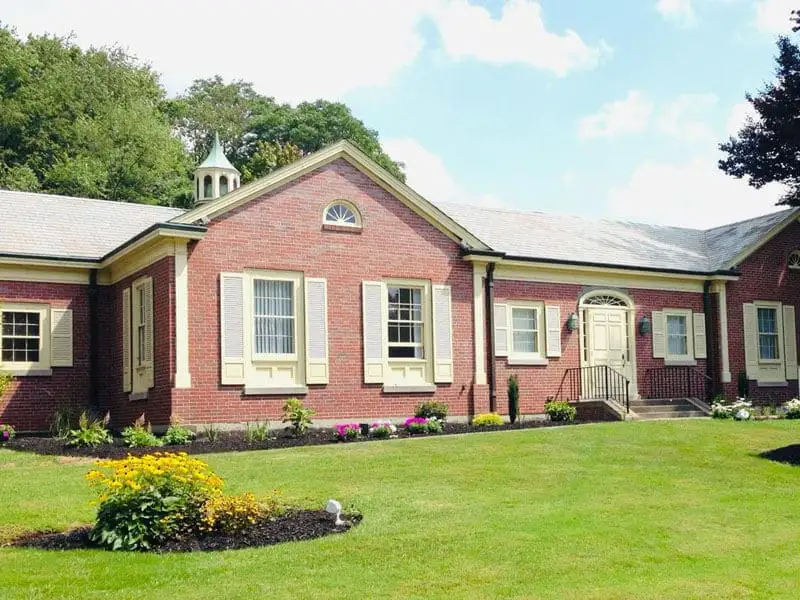
What To Expect in a Partial Hospitalization Program (PHP) at Blue Hills
Partial hospitalization, or day treatment, is one of the highest levels of outpatient care available at Blue Hills Recovery. It provides a structured, immersive treatment experience while still allowing you to return home or to sober housing each evening.
A Structured Daily Schedule
In PHP, your day is typically scheduled in advance and may include:
- Morning check-ins
- Group therapy sessions
- Individual therapy
- Skill-building and education
- Psychiatric support or medication management
Programs often run for several hours a day, multiple days per week, creating a consistent routine that supports stability and progress
More Intensive Clinical Support
Because PHP involves more time spent in treatment, it also provides:
- Closer monitoring of symptoms
- Frequent access to clinical staff
- More opportunities to practice coping skills
This level of care is often recommended for individuals who:
- Are experiencing more severe symptoms
- Need additional structure to stay on track
- Have not made progress in lower levels of care
A Focus on Stabilization
PHP is often used to help individuals:
- Stabilize emotionally and physically
- Build a strong foundation for recovery
- Transition from residential or inpatient care
It offers a level of intensity similar to inpatient treatment, without requiring you to stay overnight.
What To Expect in an Intensive Outpatient Program (IOP) at Blue Hills
IOP, or evening treatment, provides structured care with more flexibility, making it a strong option for individuals who need support but can maintain more independence.
A Flexible Weekly Schedule
IOP typically involves:
- Several sessions per week
- A few hours per session
- Daytime or evening scheduling options
This allows individuals to:
- Continue working or attending school
- Maintain family responsibilities
- Apply what they’re learning in real time
Most IOP programs include 9–12 hours of treatment per week.
Consistent Support Without Full-Day Commitment
IOP still includes many of the same components as PHP:
- Group therapy
- Individual counseling
- Relapse prevention
- Coping skill development
The difference is the level of independence between sessions.
A Focus on Building Independence
Evening treatment is often ideal for individuals who:
- Have a stable home or supportive housing environment
- Need ongoing support, but not full-day care
- Are stepping down from PHP or residential treatment
It helps bridge the gap between structured care and fully independent living.
PHP vs IOP Differences You’ll Notice Day-to-Day
While PHP and IOP share many similarities, your daily experience can feel quite different depending on the level of care.
Time commitment:
- PHP: Full-day treatment, multiple days per week
- IOP: Shorter sessions, fewer hours and days per week
Level of structure:
- PHP: Highly structured, consistent daily routine
- IOP: More flexibility between sessions
Clinical support:
- PHP: Frequent access to clinical staff and support
- IOP: Regular support, but with more independence
Integration into daily life:
- PHP: Focused primarily on treatment
- IOP: Balanced with work, school, or home life
Both levels of care are effective, so it’s about choosing the one that fits your current needs.
How PHP and IOP Work Together in Addiction & Mental Health Recovery
Treatment is not always a single step. It’s often a progression.
Many individuals:
- Begin with PHP for stabilization
- Transition into IOP for continued support
- Move into outpatient care for long-term maintenance
This step-down approach allows individuals to build confidence and independence over time while still receiving support.
How To Know Which Recovery Program Is Right for You
Choosing between PHP and IOP depends on several factors.
PHP may be the better fit if:
- Addiction or mental health symptoms feel overwhelming or difficult to manage
- You need daily structure and support
- You’ve struggled in lower levels of care
IOP may be a better option if:
- You can manage daily responsibilities
- You need support but not full-day treatment
- You’re ready for more independence
The best way to determine the right level of care is through a professional assessment.
What the Recovery Experience Feels Like at Blue Hills
At Blue Hills Recovery, both PHP and IOP are designed to provide:
- A supportive, structured environment
- Evidence-based therapies
- Individualized treatment planning
- A focus on long-term recovery, not just short-term change
You can expect:
- A team that works collaboratively with you
- Clear communication about your progress
- Adjustments to your treatment plan as needed
No matter which program you begin with, the goal is the same: helping you build the skills and stability needed to move forward.
Finding the Right Level of Care for Addiction or Mental Health in Massachusetts
Deciding between PHP and IOP doesn’t have to be overwhelming.
With the right guidance, you can find a level of care that supports your needs, your schedule, and your long-term recovery goals.
Reach out to Blue Hills Recovery to speak with our team, ask questions, and learn which program may be the best fit for your next step forward.
Sources
- American Society of Addiction Medicine (ASAM). (2020). The ASAM Criteria: Treatment Criteria for Addictive, Substance-Related, and Co-Occurring Conditions. Retrieved from: https://www.asam.org/asam-criteria. Accessed on April 30, 2026.
- Substance Abuse and Mental Health Services Administration (SAMHSA). (2023). Types of Treatment for Mental Health and Substance Use Disorders. U.S. Department of Health and Human Services. Retrieved from: https://www.samhsa.gov/find-support/learn-about-treatment/types-of-treatment. Accessed on April 30, 2026.
- Substance Abuse and Mental Health Services Administration (SAMHSA). (2020). Clinical Issues in Intensive Outpatient Treatment. Retrieved from: https://library.samhsa.gov/sites/default/files/pep20-02-01-021.pdf. Accessed on April 30, 2026.
FAQs About What To Expect in PHP vs IOP at Blue Hills Recovery
How many days per week do PHP and IOP programs usually run?
Our PHP programs typically run 4–6 days per week with full-day schedules, while IOP programs often meet 3–5 days per week for a few hours per session. The exact schedule can vary based on your individual needs and program structure.
Can I switch from PHP to IOP during treatment?
Yes. Many individuals begin in PHP and transition into IOP as they make progress. This step-down approach allows for continued support while gradually increasing independence.
Will I see the same therapists in PHP and IOP?
In many cases, yes. Our treatment teams are consistent across levels of care, which helps maintain continuity and build stronger therapeutic relationships.
Do PHP and IOP include medication management?
Yes. Both levels of care may include access to psychiatric providers for medication management, depending on your treatment plan and needs.
What happens if I miss a treatment session at Blue Hills Recovery?
Attendance is important for progress, but if you miss a session, our treatment team will typically work with you to stay on track and adjust your schedule if needed.
Are PHP and IOP at Blue Hills Recovery covered by insurance?
In many cases, yes. Most health insurance plans provide some level of coverage for both PHP and IOP, especially when treatment is considered medically necessary.
Federal laws like the Mental Health Parity and Addiction Equity Act require many plans to offer comparable coverage for mental health and substance use treatment.
However, coverage details (such as deductibles, copays, and approved length of stay) can vary by plan. It’s always best to verify your benefits to understand exactly what is covered.